




Fiber in the diet of dogs and cats - is it necessary?
Shortcuts
Fiber is not an essential component of a companion animal’s diet. Look in vain for levels of its intake in dietary recommendations for dogs or cats. Does this mean that dietary fiber – for this is how fiber is referred to in zootechnical terminology – is unnecessary in the menu of pets? No. Quite the opposite.
Fiber – what is it? Fractions of dietary fiber
Fiber, or dietary fiber, is a group of compounds mostly with a carbohydrate structure. What they have in common is that they are not digested by mammalian enzymes. As a result, they end up in virtually unchanged form in the large intestine, the place where bacteria reside.
It is these microscopic organisms that are able to break down the fiber provided with food. However, not every fiber will be utilized to the same extent by the bacterial flora. What does this depend on? On the fiber fraction. What are the characteristics of each type of fiber?
- Soluble fiber. It exhibits the ability to bind water and swell in the digestive tract. It undergoes fermentation, leading to the formation of short-chain fatty acids (SCFAs), such as butyrate, acetate or propionate (e.g., beet pulp).
SCFAs provide a source of energy for intestinal epithelial cells and play an important role in regulating inflammation, intestinal barrier tightness and overall intestinal health. Soluble fibers include:
- inulin,
- psyllium,
- beet pulp,
- pectin,
- vegetable gums.
- Insoluble fiber. It does not dissolve in water and does not ferment to any significant degree. Its main function is to mechanically stimulate intestinal peristalsis and increase the volume of fecal masses. As a result, the digestive contents move more quickly through the digestive tract, which prevents constipation. Insoluble fibers include:
- cellulose,
- lignin,
- wheat bran.
Dietary fiber in the diet of companion animals – key benefits
Despite their different functions, both fiber fractions are important for the digestive system. Here are the most important benefits:
- regulation of intestinal transit,
- Energy support for colonocytes – the epithelial cells lining the large intestine,
- Improving stool quality,
- microflora stabilization,
- Epithelial regeneration support,
- feeling of satiety.
When might a dietary fiber supplement be especially important?
Although fiber is not an essential ingredient, its addition to the diet can be of particular importance in certain health situations. It supports the functioning of the digestive and metabolic systems, so it is used as a dietary supplement.
The addition of fiber can support the diet of animals:
- digestive problems,
- Metabolic disorders (such as lipid and carbohydrate metabolism),
- excessive body weight.
Fiber in a dog’s diet – what can it affect?
Dogs have a more flexible digestive system than cats – they can digest small amounts of carbohydrates and better tolerate plant-based additives, including fiber. Their large intestine is developed enough to ferment soluble fiber and reap the benefits (e.g. SCFA production, support for intestinal flora).
Fiber in a cat’s diet – what to watch out for?
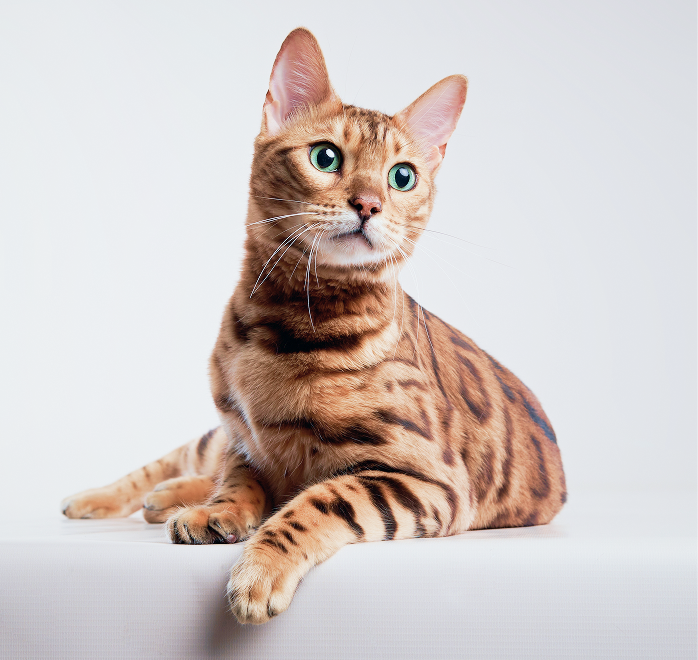
Cats have a shorter digestive tract and a less developed large intestine. Their bodies are less able to digest fiber and do not derive as many benefits from it as a dog’s body. Nonetheless, a small addition of fiber can have a positive effect, such as in regulating peristalsis, preventing constipation or aiding weight control.
In cats, therefore, dietary fiber has a more mechanical effect (especially insoluble fiber), but also has uses – only in smaller amounts and more carefully. In the case of these pets, precision in choosing the type and amount of dietary fiber is especially important.

Learn about our products
Find proven supplements, grooming products and specialty veterinary products. Go back to your choices and take care of your pet.



Sources of fiber in the diet of dogs and cats – inulin, psyllium, apple fiber
Dietary fiber can come from a variety of plant materials, and each is characterized by a slightly different composition and action. Choosing the right source of fiber is important for its effectiveness – both in prevention and support of specific health problems. What forms of fiber, can be used in the diets of dogs and cats?
-
Inulin
Inulin is a soluble fiber of plant origin. In the bodies of dogs and cats, it acts primarily as a prebiotic – it stimulates the growth of beneficial intestinal bacteria, such as Lactobacillus and Bifidobacterium.
Its fermentation in the large intestine leads to the production of short-chain fatty acids, which nourish intestinal epithelial cells and support the intestinal barrier. Inulin can support the function of the digestive system, especially after antibiotic therapy, and have a beneficial effect on stool quality.
-
Psyllium
Psyllium is a fiber with gelling properties – when mixed with water, it forms a viscous gel that regulates the intestinal passage, protecting the mucosa and normalizing the consistency of stools. Importantly, it has a beneficial effect on both constipation and diarrhea, making it a very versatile supplement.
Psyllium can be part of the diet of dogs and cats with sensitive digestive tracts. This is because it helps regulate bowel movements and can relieve symptoms such as diarrhea and constipation. In some cases, it can also support glycemic control in animals with diabetes
-
Apple fiber
Apple Fiber. Apple fiber is a blend of soluble (pectin) and insoluble fiber, making it both prebiotic and mechanically promoting peristalsis.
Its mild taste and natural origin make it well accepted by animals, especially dogs. It helps improve fecal structure, promotes a feeling of satiety and can be helpful in reduction diets. The pectin in apple fiber can promote intestinal mucosal health and have a soothing effect on the digestive tract.
Summary
The addition of dietary fiber, both soluble and insoluble, to a dog’s or cat’s diet can have a beneficial effect on the condition of the digestive tract. This is because fiber promotes regulation of its work and nourishment of the bacterial flora residing in the large intestine.
Keep in mind, however, that if your dog or cat has any health problems, making dietary changes – including the addition of fiber – is worth consulting your veterinarian. Dietary fiber can act as an adjunct, but is not a substitute for drug treatment.
The text is for informational purposes and does not replace the advice of a veterinarian.